

Brussels in December is one of Europe’s most underestimated winter destinations. The city does not have Prague’s fairytale skyline or Vienna’s imperial Christmas markets, but it has the Grand-Place, one of the most beautiful squares on the continent, illuminated nightly with a 360° sound and light show that draws three million visitors a year. It has Belgian chocolate, 1,500 varieties of beer, warm taverns built for exactly this season, and a train network that makes Bruges, Ghent and Antwerp all reachable as day trips.
Here are the things to do in Brussels in December that go beyond the obvious, with the obvious included, because some of it is genuinely unmissable.
Brussels December activities, starting with Winter Wonders
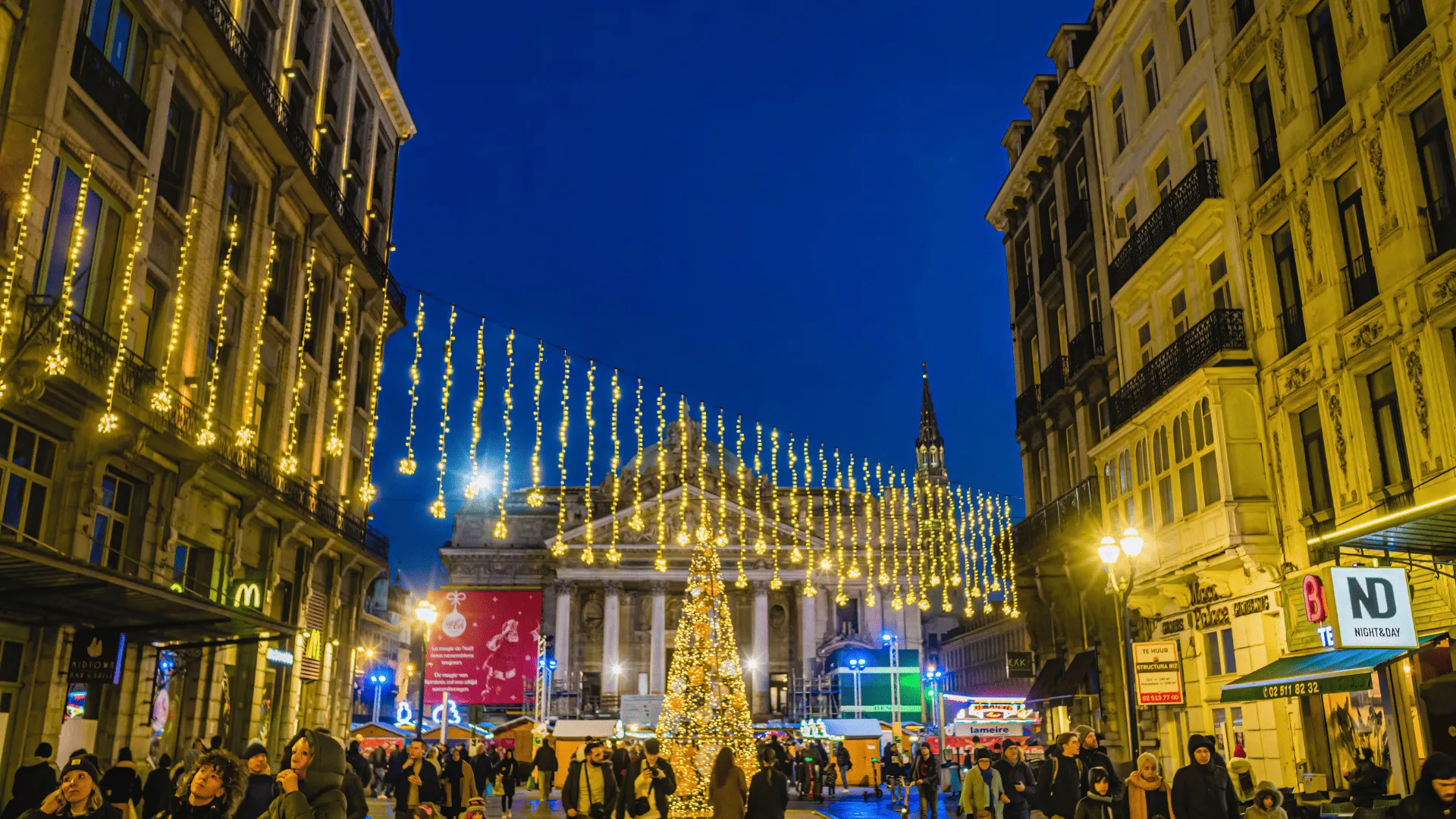
The Christmas market is the undeniable anchor of December in Brussels. Winter Wonders runs from 27 November 2026 to 3 January 2027 across nine squares connected by a 2.5 kilometre illuminated trail. The sound and light show at the Grand-Place runs nightly from 5pm to 10pm and is free. The ice rink at Place de Brouckère operates throughout the festival period.
We covered Winter Wonders in detail in our complete Brussels Christmas Market guide, locations, highlights, what to eat and when to go. Start there if you are planning your visit around the market.
What follows covers everything else December has to offer.
Day trips from Brussels in December: Bruges and Ghent
One of Brussels’ most underused assets in December is its position at the centre of Belgium’s train network. From Brussels Central Station, five minutes on foot from both hotels, you can reach:
Bruges in 1 hour. The medieval city holds its own Christmas market on the Markt and Simon Stevinplein squares, typically running from late November through to early January. The combination of Bruges’ canal architecture and winter light is one of Belgium’s most photographed December experiences. Bruges Christmas market runs alongside the city’s permanent attractions: the Groeningemuseum, the Brewery De Halve Maan and the Basilica of the Holy Blood. A full day return is entirely comfortable.
Ghent in 30 minutes. Ghent’s Christmas market in 2026 runs from 5 to 31 December in the city centre St Bavo’s Cathedral, Sint-Baafsplein and the Korenmarkt. Ghent is architecturally richer than most visitors expect, and the medieval Gravensteen castle lit in December is not easily forgotten. The Ghent market is considerably less crowded than Brussels and rewards a half-day visit.
Both cities are served by direct trains from Brussels Central. Eurostar also connects Brussels to London in under two hours, useful context for guests travelling from the UK.
Brussels in December indoors: museums worth the cold
December is the ideal month to revisit Brussels’ museums without the summer queues. Three addresses worth prioritising:
The Magritte Museum at rue de la Régence 3, ten minutes from the hotels holds over 200 works by the Belgian surrealist. In December, the museum extends its evening opening hours on selected dates, allowing visits after the Christmas market closes for the afternoon. Book online at musee-magritte-museum.be.
The Musical Instruments Museum (MIM) at rue Montagne de la Cour 2 is open Tuesday to Sunday from 9:30am. The rooftop café offers one of the best views of Brussels, considerably more dramatic in December with the city lit below. Entry is €15 for adults, free for under-18s.
The Belgian Comic Strip Centre at rue des Sables 20, 12 minutes from the hotels, runs its permanent exhibitions year-round and is particularly suited to a rainy December afternoon. The building itself, a Victor Horta Art Nouveau warehouse, is worth the visit independently of the collection.
Belgian beer in winter: the tavern experience
December in Brussels calls for a specific kind of evening: a small tavern, a Trappist ale, warmth. The Belgian beer culture, UNESCO Intangible Cultural Heritage since 2016, produces seasonal winter beers that are only available from November to January, typically darker, stronger and spiced with herbs or orange peel.
Three addresses for the tavern experience in the city centre:
À la Mort Subite at rue Montagne aux Herbes Potagères is Brussels’ reference address for lambic and gueuze, the spontaneously fermented beers unique to the Brussels region. The Art Nouveau interior, unchanged since 1928, is itself a reason to visit.
Delirium Café near the Grand-Place holds the Guinness World Record for the largest beer menu (over 3,000 references). In December, the covered terrace runs heat lamps and the seasonal Belgian winter ales are prominently featured.
Bier Circus at rue de l’Enseignement 89 is the address for guests who want to be guided through the Belgian beer landscape by knowledgeable staff. The menu includes tasting notes and food pairing suggestions. Quieter than Delirium, considerably more instructive.
Wonder Woods: the Bois de la Cambre in December
For guests with children or anyone who wants to experience a festive Brussels beyond the city centre, Wonder Woods at the Bois de la Cambre runs from early December through early January. The park is transformed with light installations, music, an outdoor ice rink, the Chalet Robinson restaurant on its island, and a programme of family activities at weekends.
Getting there requires a tram from the city centre (approximately 20 minutes). It is a different December experience from Winter Wonders quieter, more local, less crowded and considerably more appreciated by Brussels residents than by tourists, which is a reliable indicator of quality.
For guests staying with us over the festive period, our offers include packages designed for December stays, romantic breaks, family configurations and exclusive direct-booking rates.
Brussels’ luxury scene is spread across several distinct neighborhoods, each with its own character and pace, and half the fun lies in exploring this layout. This isn’t a city where everything happens on a single famous street. It’s a city that rewards those who know where to look.
Here’s our guide to luxury shopping in Brussels, neighborhood by neighborhood.
Brussels’ best shopping districts, start at the Galeries Royales Saint-Hubert
Before any boutique, there is the building. The Galeries Royales Saint-Hubert opened in 1847 predating the Galleria Vittorio Emanuele II in Milan by two decades and remain one of Europe’s finest covered arcades. The glazed arched roof, the ornate iron work, the rhythm of shop fronts along a central promenade: it is architecture as an argument for shopping as a civilised act.
The Galeries are a one-minute walk from Aris Grand-Place, and two minutes from Alma hotel. Inside: Neuhaus, inventor of the Belgian praline and still one of its finest practitioners. Delvaux, Brussels’ own luxury leather goods house, founded in 1829 and now one of the most coveted bag brands in the world. And Yvan’s, the family jewellery and watchmaking house that has been Belgium’s reference point for fine horology since 1955.
Start here. Every luxury shopping day in Brussels should begin in the Galeries.
Boulevard de Waterloo: the grand international mile
Running south from Porte Louise, the Boulevard de Waterloo is Brussels’ most concentrated luxury retail strip, the closest equivalent to a traditional grands magasins district. Gucci, Louis Vuitton, Dior, Chanel, Cartier and Ralph Lauren line the boulevard in succession. Hermès is at number 50. Carine Gilson, the Belgian lingerie designer whose work sits in the wardrobes of some of the most discerning women in Europe, has her flagship here.
The boulevard rewards a slow afternoon walk rather than a targeted visit. The architecture is consistently handsome, the display windows are well curated, and the cafés between boutiques provide natural pauses. If you have one afternoon for serious luxury retail in Brussels, this is where to spend it.
Avenue Louise: fashion, design and Belgian names
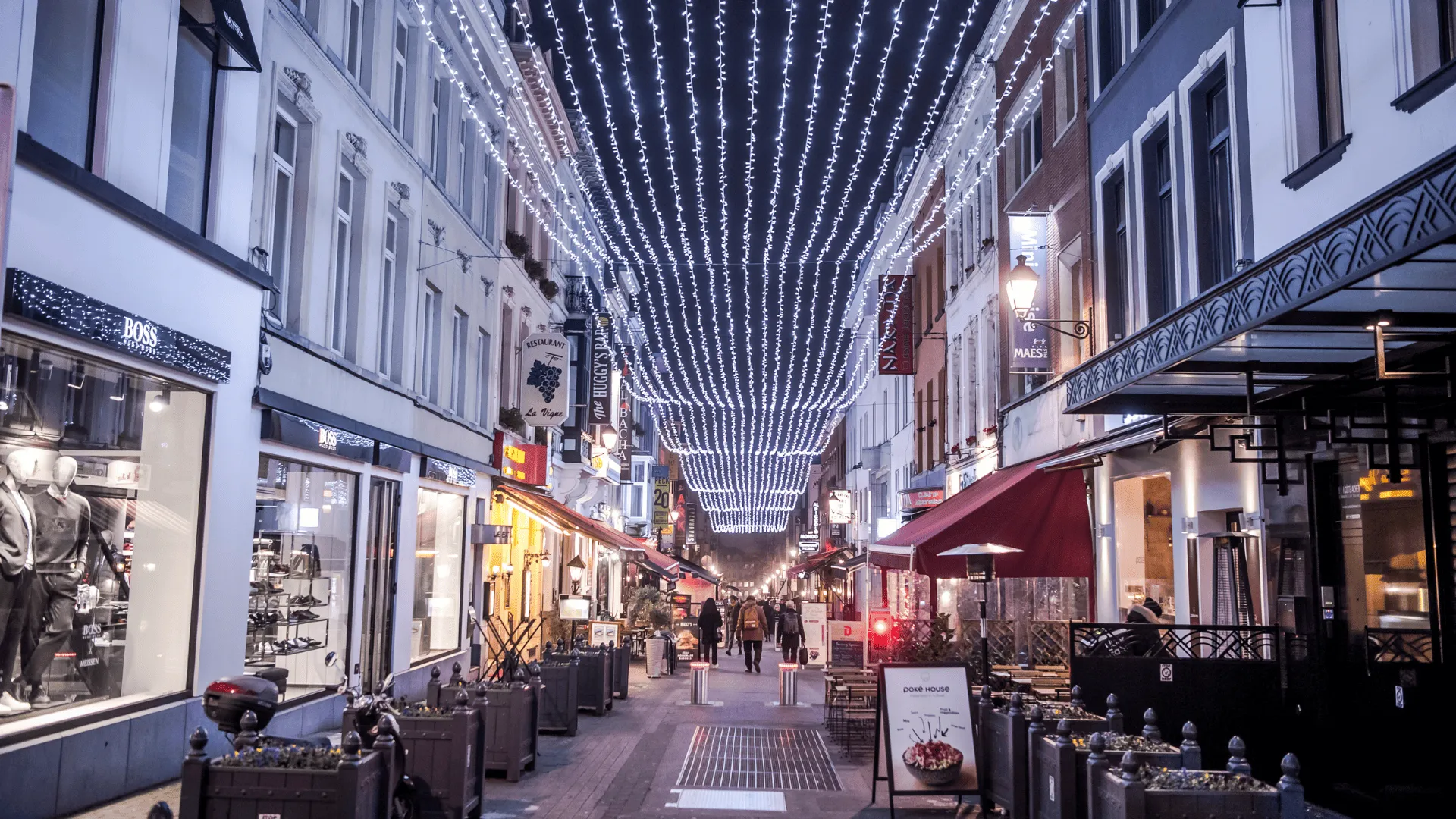
Avenue Louise extends from the Boulevard de Waterloo further south, and shifts the register slightly. Alongside the international names, Max Mara, Montblanc, Michael Kors, the avenue and its immediate side streets are where Brussels’ own designers and independent boutiques concentrate.
Belgian fashion has a genuine voice: architectural, precise, occasionally eccentric. The names associated with the Antwerp Six are known internationally, but Avenue Louise’s independent boutiques are where local design talent is most consistently represented. Browse the side streets of the avenue as much as the avenue itself, the discoveries are usually there rather than on the main strip.
The Sablon: the neighbourhood having its moment
The Place du Grand Sablon has always been Brussels’ most atmospheric luxury address. Antique dealers, art galleries, Pierre Marcolini’s chocolate, Taschen’s art books, the foundations were already there. What has changed recently is the arrival of major fashion and jewellery houses: AMI Paris, Breitling, Christian Louboutin, with Hermès expected to follow.
We wrote at length about this transformation, the new boutiques, the Immobel development project and what it means for the neighbourhood in our guide to the Sablon. If the Sablon is your primary destination, start there.
Delvaux Brussels: the luxury address that is entirely Belgian
Any guide to luxury shopping in Brussels is incomplete without pausing on Delvaux. Founded in Brussels in 1829, Delvaux is the world’s oldest fine leather goods house, predating Louis Vuitton by 25 years. The Brillant bag, introduced in 1958, remains the house’s signature. The craftsmanship is entirely Belgian. The waiting lists are entirely international.
Delvaux has multiple locations in Brussels, including in the Galeries Royales Saint-Hubert. It is one of those rare cases where the locally made thing is also the globally coveted thing a combination Brussels does not always make obvious, but Delvaux makes impossible to ignore.
Planning your shopping day
The Galeries Royales Saint-Hubert, the Sablon and the Grand-Place area are all walkable from our hotels, a morning circuit of 90 minutes covers all three comfortably. Boulevard de Waterloo and Avenue Louise are a 20-minute walk south, or two stops by tram from the city centre.
Our Discover Brussels guide has the full map of what is reachable on foot. And for a stay built around a shopping visit, with the right room, the right timing and direct booking rates our offers & Experiences page is the place to start.
Today Brussels has more chocolate shops per square kilometre than anywhere else in Europe. The question is never whether to buy chocolate, it is where. Here is our guide to the best chocolate shops in Brussels, all located just a few minutes’ walk from the hotel.
Neuhaus: where Belgian chocolate in Brussels began
Galerie de la Reine 5, Galeries Royales Saint-Hubert
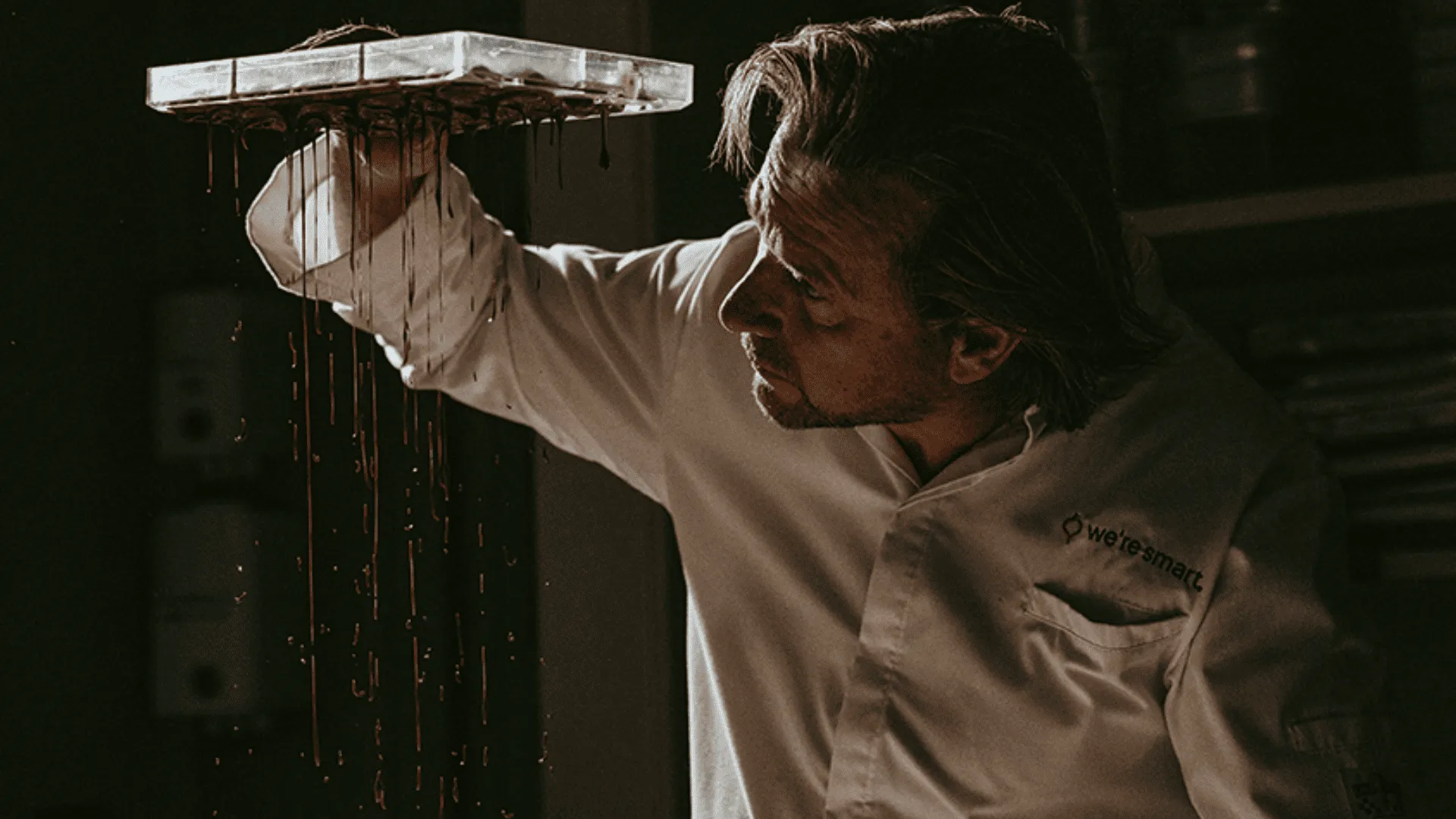
You can walk to Neuhaus from Aris Grand-Place in under two minutes. The house that invented the praline in 1912 is still producing it in the same Galeries where Jean Neuhaus worked. The ballotins, those distinctive gold boxes remain the standard against which all other Belgian chocolate packaging is measured.
The pralines are classic, precise and immediately recognisable. If you are buying a gift to take home, Neuhaus is the instinctive choice. If you are buying for yourself, allow the staff to guide you through the seasonal selection.
Wittamer: the finest pralines in Brussels, on the Sablon since 1910
Place du Grand Sablon 6 & 12
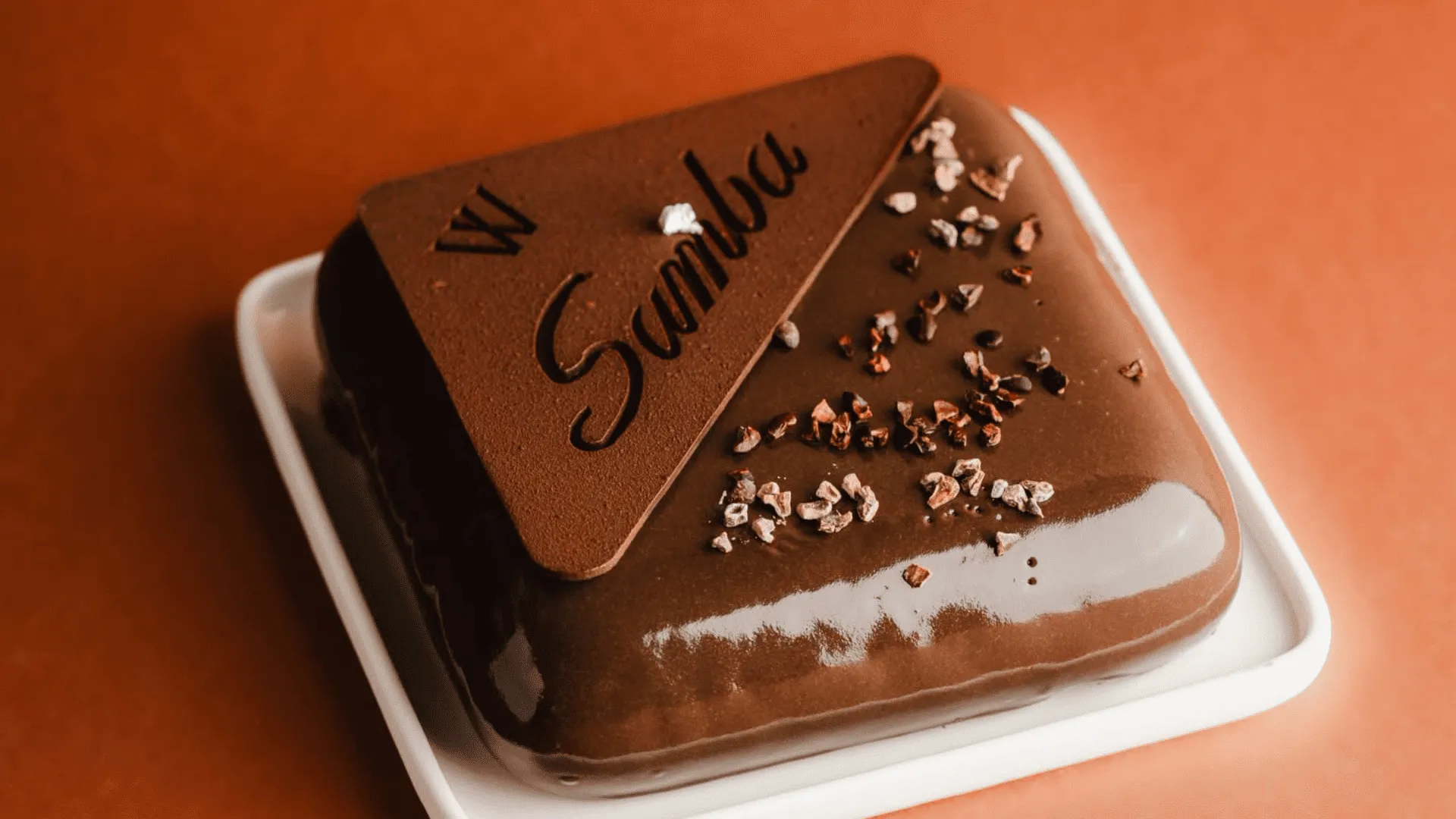
Wittamer has occupied its corner of the Place du Grand Sablon since 1910, and holds the title of Official Supplier to the Court of Belgium. The pralines are superb, the raspberry hearts are a particular point of loyalty among regulars. But the real case for Wittamer is its café on the upper floor: on a cold October afternoon, the hot chocolate served there is, without exaggeration, one of the best things you will eat or drink in Brussels.
A 10-minute walk from the hotels through the historic centre. Combine with the Saturday antiques market on the square, as we described in our guide to the Sablon.
Pierre Marcolini: chocolate as craft
Rue des Minimes 1, near the Sablon
Pierre Marcolini is Brussels’ most internationally recognised chocolatier, and the one most likely to prompt the question: is chocolate a luxury good? At Marcolini, the answer is yes and it is justified by the quality of the sourcing. Single-origin cocoa, direct relationships with plantation partners, no child labour, no glyphosate. The pralines are displayed like jewellery. The shop is designed like a boutique.
The grand cru bars are the best entry point for a first visit. The seasonal collections, which change throughout the year are worth following.
Laurent Gerbaud: the unconventional choice
Stoofstraat 19 / Rue de l’Étuve, near Grand-Place
Laurent Gerbaud won Chocolatier of the Year in 2021, and represents a different school of Belgian chocolate entirely. His creations are less sweet than the classic praline tradition, and his flavours reflect years of travelling: yuzu, matcha, fig and thyme, candied ginger. He works from a small shop, close enough to Grand-Place to visit before or after a walk around the square where you can sometimes hear the chocolate being made in the back.
If you are looking for something genuinely unusual to bring home, or something to eat on the spot, Gerbaud is the address.
Galler: approachable and just steps from Grand-Place
Rue au Beurre 44
Galler is the most accessible address on this list, in location and in price. The shop on Rue au Beurre is a two-minute walk from Alma hotel and three from Aris hotel. The chocolate bars, in their colourful wrappers and playful flavour combinations, are designed to be eaten immediately rather than given as gifts, dark chocolate with sea salt, milk chocolate with speculoos, white chocolate with raspberry. Buy one on your way back to the hotel.
One rule before you go
The Grand-Place and its immediate surroundings are lined with chocolate shops selling moulded Manneken Pis figurines and multicoloured pralines at tourist prices. They look appealing. They are not the same thing as what is listed above.
The difference between a tourist chocolate shop and a Belgian chocolatier is roughly the same as the difference between a souvenir baguette and a bakery. Both exist. Only one is worth your time.
Our Discover Brussels guide maps all of these addresses and everything else worth finding on foot from the hotel.
The best restaurants in Brussels for a winter evening share a few qualities: warmth in the literal sense, a kitchen that understands what Belgian cuisine is actually capable of, and a room where you are happy to sit for two hours without feeling rushed. Here is our selection, organised by what kind of evening you are looking for.
For a legendary Brussels table: Bozar and Comme Chez Soi
Two restaurants define Brussels at its most ambitious, and both are worth planning a trip around.
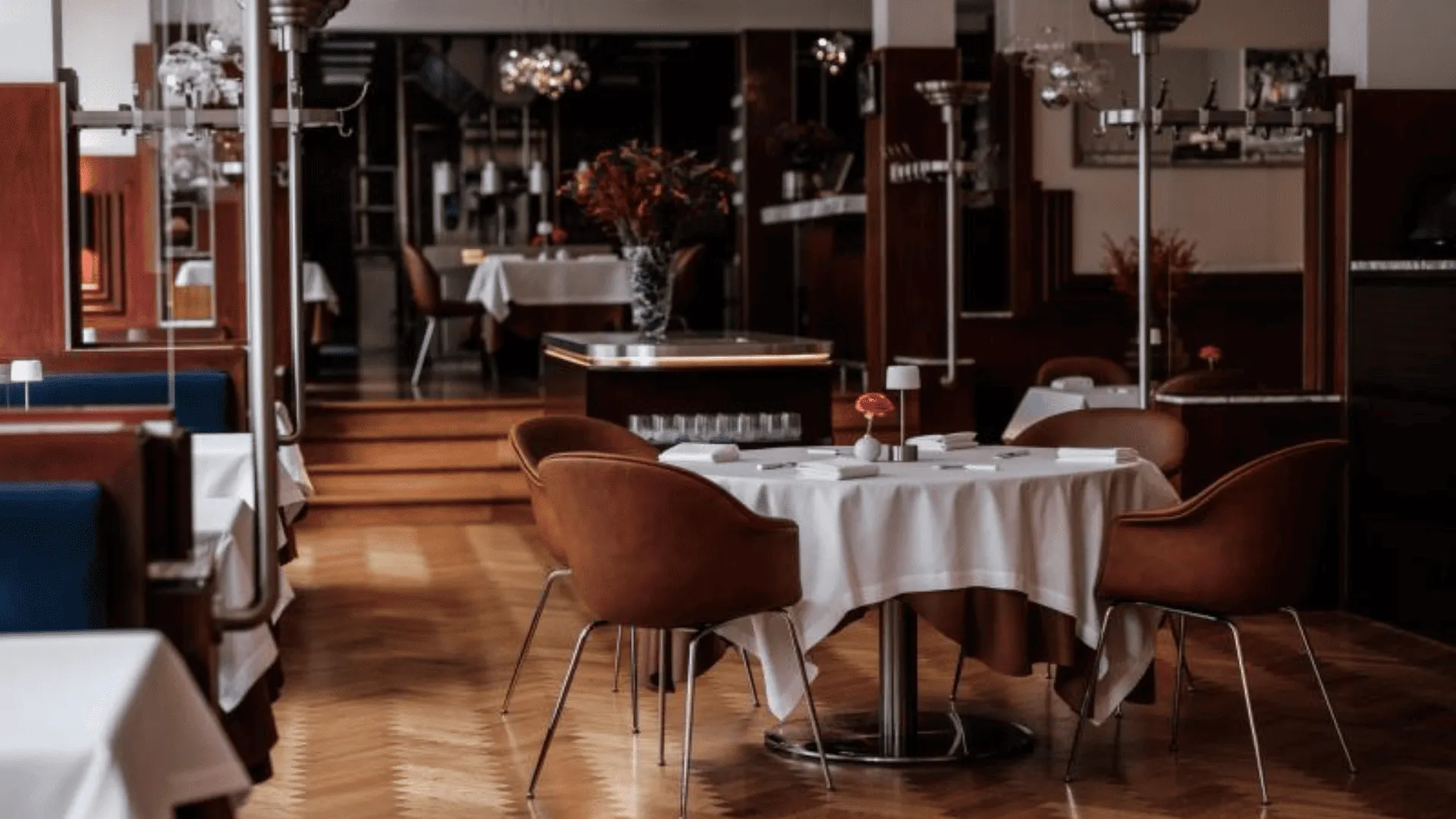
Bozar Restaurant at Rue Baron Horta 3 is the only Brussels restaurant ranked in the World’s 50 Best Restaurants list (number 63 in 2025) and holds an OAD ranking of 11 globally. Chef Karen Torosyan’s cooking is built around exceptional technique, the pâté en croûte and pithiviers are dishes that have generated genuine critical attention internationally. The setting, inside the Centre for Fine Arts designed by Victor Horta, adds an architectural dimension that most restaurant rooms in Europe cannot match. Book weeks in advance for dinner. The lunch menu offers a more accessible entry point.
Comme Chez Soi at Place Rouppe 23 is one of Brussels’ most storied tables a Michelin-starred institution that has been serving refined French-Belgian cuisine since 1926. The Art Nouveau dining room, designed by Horta, seats fewer than 50 covers. The cooking is precise, classical and consistently excellent. For a special occasion dinner during a winter stay in Brussels, this is the address that local food professionals recommend most often.
For authentic Belgian cuisine in Brussels, winter comfort done properly
Winter in Brussels calls for carbonnade, stoemp and rabbit cooked in kriek. These dishes hearty, beer-based, built for cold weather are the reason Belgian cuisine deserves more international attention than it receives.
Fin de Siècle at Rue des Chartreux 9 in the Saint-Géry quarter is consistently cited as one of the best places in Brussels to eat authentic Belgian cooking. The carbonnade here is among the finest versions in the city. The atmosphere is convivial, the prices are honest (between €18 and €29 per person), and the queue outside on weekend evenings tells you everything you need to know about its local standing. No reservations, arrive early or wait.
Zotte Mouche at Rue de l’Ecuyer 47, a five-minute walk from both hotels offers a 1960s-1980s atmosphere alongside one of Brussels’ most praised carbonnades. The menu is short, seasonal and entirely Belgian. The beer list is serious. The room is genuinely warm in winter, both in temperature and in spirit.
For the best brasseries in Brussels, the Sablon end of the evening
The Sablon neighbourhood, ten minutes on foot from the hotels concentrates some of Brussels’ most reliable dinner addresses. For guests who have spent time in the neighbourhood during the day, as we described in our guide to the Sablon’s transformation, ending the evening there makes natural sense.
Les Brigittines at Place de la Chapelle 5 holds a Michelin selection and an OAD new entry for 2025. The brasserie specialises in Belgian cuisine with a contemporary sensibility, the menu changes with the season, and in winter it leans into the country’s strongest culinary traditions. The setting, near the Chapelle church, is quieter than the main Sablon square and all the better for it.
Au Vieux Saint Martin at Place du Grand Sablon 38, Michelin Plate 2024 and 2025, remains our standing recommendation for a reliable, well-priced dinner on the square itself. We mentioned it in our guide to where to eat near Grand-Place and the recommendation stands for winter evenings: book ahead for weekends, the terrace is heated in November and December.
One rule about booking in December
December fills Brussels restaurants faster than any other month. The combination of Winter Wonders tourism, corporate end-of-year dinners and local festive traditions means that the addresses listed above particularly Bozar, Comme Chez Soi and Les Brigittines can be fully booked two to three weeks in advance on Friday and Saturday evenings.
There are three things most people know about traditional Belgian cuisine before they arrive: chocolate, waffles, and beer. All three are absolutely true, and all three are more complex than they seem. The waffles sold near the Grand-Place aren’t usually what Belgians actually eat. Not all chocolates are created equal. And beer with more than 1,500 varieties and its designation as part of UNESCO’s Intangible Cultural Heritage is worth a whole trip on its own.
Beyond these three famous specialties, Belgian food is built on dishes that most visitors never get to try: gray shrimp croquettes, Flemish beef stew, waterzooi, and stoemp. This guide tells you what to eat in Brussels during your city getaway and how to find the authentic specialties rather than their rough tourist versions.
What to eat in Brussels: the essential dishes
Moules-frites: the national dish
Mussels steamed in white wine with celery, onion, butter and fresh herbs, served in the cast-iron pot they were cooked in, alongside a generous portion of fries and a pot of mayonnaise. This is Belgium’s most internationally recognised dish, and at a good address, it justifies that status entirely. The mussels come from Zeeland in the Netherlands, where the tidal conditions produce a particularly flavoursome shellfish. The fries should be double-fried. The mayonnaise should be house-made. When all three elements are right, moules-frites is one of the most satisfying meals in European cooking.
Carbonnade flamande: Belgium’s other national dish
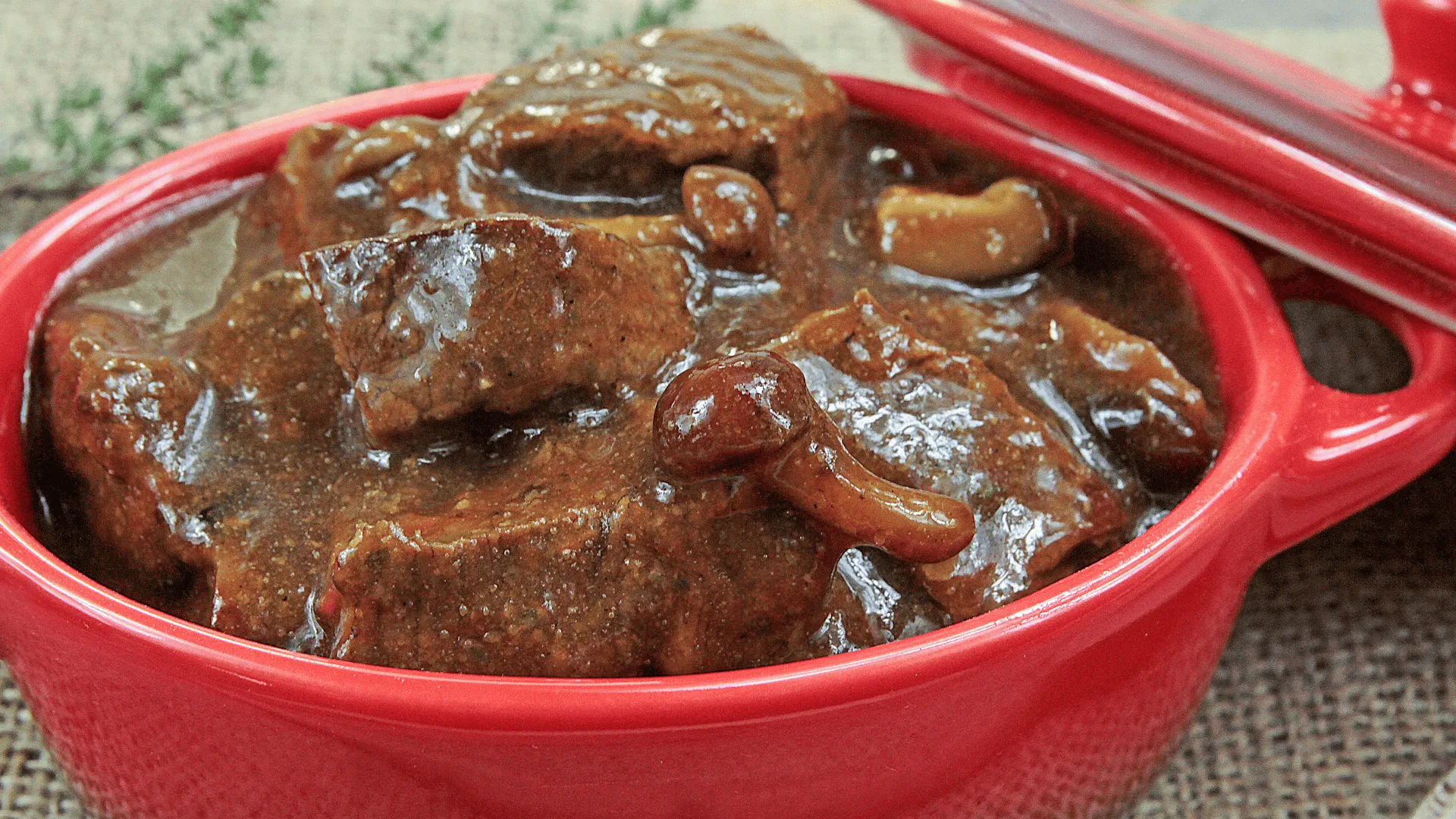
Beef slow-cooked in dark Belgian beer with onions, bread, brown sugar and mustard until the liquid reduces to a dense, complex sauce. Every Belgian household has its own version. Every Belgian brasserie serves one. The key ingredient is the beer, usually a Trappist or abbey ale, which gives the dish a depth that wine-based stews cannot replicate. Served with fries or stoemp, it is the definitive Belgian winter dish.
Croquettes aux crevettes grises: the starter worth ordering
Grey shrimp croquettes are among the most technically demanding dishes in Belgian cooking: a bécha mel sauce densely packed with tiny grey shrimps from the North Sea, coated in breadcrumbs and deep-fried to order. The contrast between the crisp crust and the creamy, intensely flavoured filling is remarkable. Bouillon Bruxelles was awarded Best Shrimp Croquette in Brussels in 2024, a reasonable starting point.
Stoemp: the underrated side dish
Mashed potato combined with a second vegetable leeks, carrots, Brussels sprouts, spinach cooked down until both elements become a single, deeply flavoured purée. Stoemp is the natural companion to sausages, black pudding or a braised rabbit. It is emphatically not elegant. It is emphatically delicious.
Waterzooi: from Ghent, eaten in Brussels
Originally a Ghent dish, waterzooi appears on menus across Brussels in two versions: chicken (poulet à la bruxelloise) or fish, stewed slowly in a broth of vegetables, cream and herbs and served with bread to soak up the liquid. It is subtle, aromatic and entirely unlike anything you will find in French or Dutch cooking. Order the fish version in winter when the chicken version dominates.
Belgian food in Brussels: the things tourists get wrong
The waffle
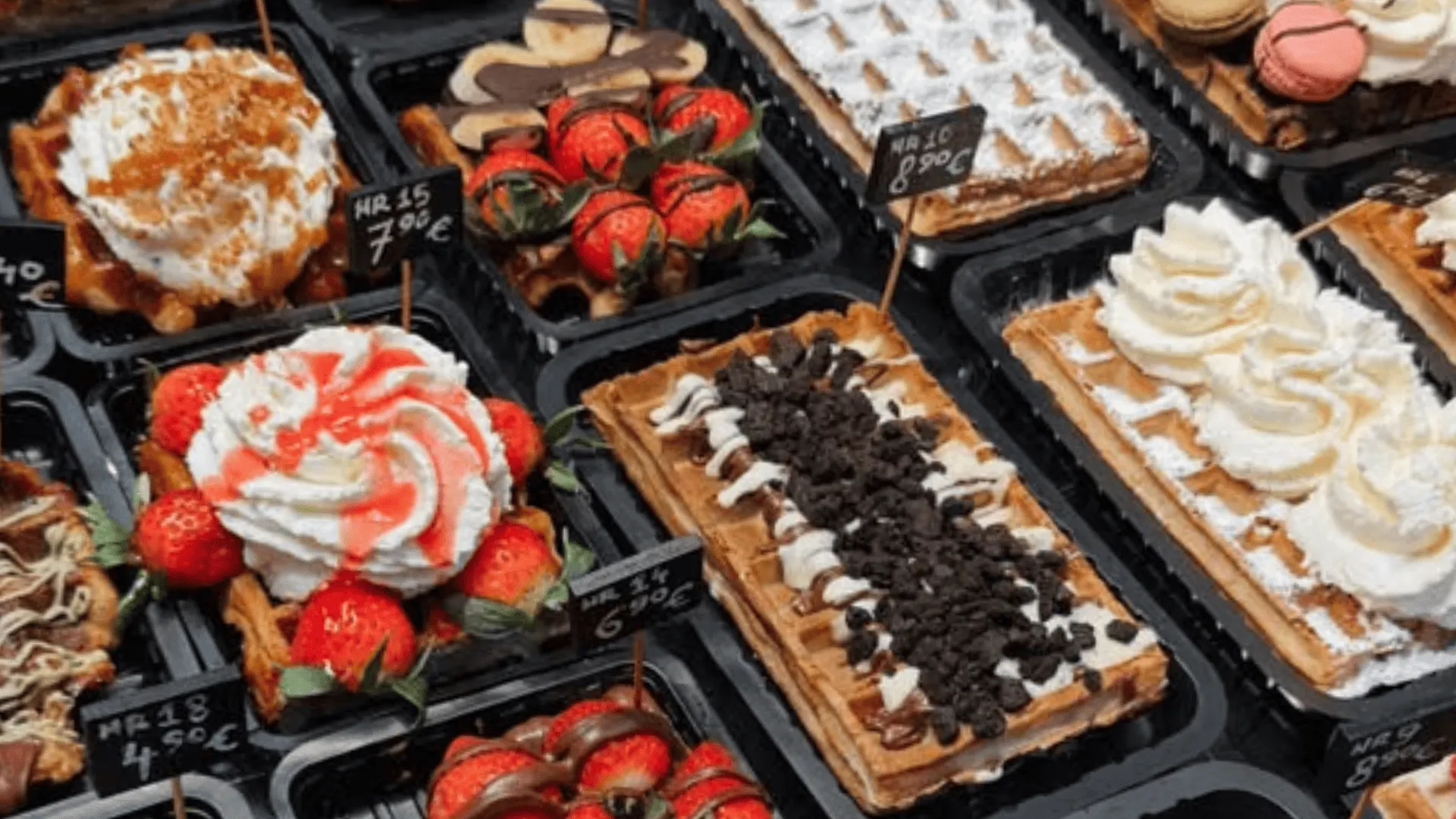
There are two Belgian waffles and they are entirely different things. The Brussels waffle (gaufre de Bruxelles) is rectangular, light, crispy and made with a yeast-based batter, it is typically eaten plain or with a modest topping and is not particularly sweet. The Liège waffle (gaufre de Liège) is round, dense, caramelised with pearl sugar and eaten warm from the stall, it is the one sold at Christmas markets and by street vendors.
The waffles piled high with whipped cream, strawberries and chocolate sauce sold in tourist shops near the Grand-Place are neither. They are a commercial invention aimed at visitors who have not been told the difference. Ask for a gaufre de Liège from a street vendor and eat it within three minutes of purchase. That is the correct experience.
The fries
French fries are Belgian. The word french comes from the old English verb to french, meaning to cut lengthwise, and has nothing to do with France. Belgium’s frites are traditionally cooked twice in animal fat: once at a lower temperature to cook the potato through, then again at a higher temperature to crisp the exterior. The result is categorically different from a single-fried chip. Served with house-made mayonnaise, not ketchup.
The best frites in Brussels city centre are consistently found at dedicated friteries rather than in brasseries. Place Jourdan, slightly east of the centre, is the address locals give most often.
Belgian beer: a brief orientation
Belgium produces over 1,500 varieties of beer. The tradition was inscribed on UNESCO’s Intangible Cultural Heritage list in 2016, the only national beer culture to hold this distinction. The main styles to understand for a Brussels visit:
Trappist ales are brewed by or under the control of Trappist monks, six Belgian abbeys produce them (Chimay, Orval, Rochefort, Westmalle, Westvleteren, Achel). They range from amber to dark brown, with complex malt and fruit characteristics.
Lambic and gueuze are Brussels’ own style: spontaneously fermented using wild yeasts from the Senne valley, unfiltered and slightly sour. Kriek (cherry) and framboise (raspberry) are lambic variants. À la Mort Subite on rue Montagne aux Herbes Potagères is the reference address for lambic in the city centre.
Saison is the farmhouse ale of Wallonia dry, effervescent, slightly spiced. Brasserie Dupont’s Saison Dupont is the benchmark.
For the full picture of where to eat all of the above, our guide to the best restaurants in Brussels for winter covers the addresses that do Belgian cuisine most justice. And for chocolate specifically, our guide to the best chocolate shops in Brussels covers the praline trail from the Galeries Saint-Hubert to the Sablon.
Breakfast at both Alma Grand-Place and Aris Grand-Place is served by Lloyd Coffee Eatery, a Brussels coffee house that understands the city’s food culture from the first cup of the day.
Brussels has over 125 museums. Most visitors see three. Knowing which three or four, or five depends on what you are looking for: world-class fine art, surrealist painting, Art Nouveau architecture, Belgian comic strip culture, or the history of musical instruments housed inside one of the city’s most extraordinary buildings. This guide covers the museums consistently worth what to see in Brussels conversations, with the information you actually need before you go: prices, hours, distances and honest advice on how long to spend in each.
The unmissable Brussels art museum: Royal Museums of Fine Arts of Belgium
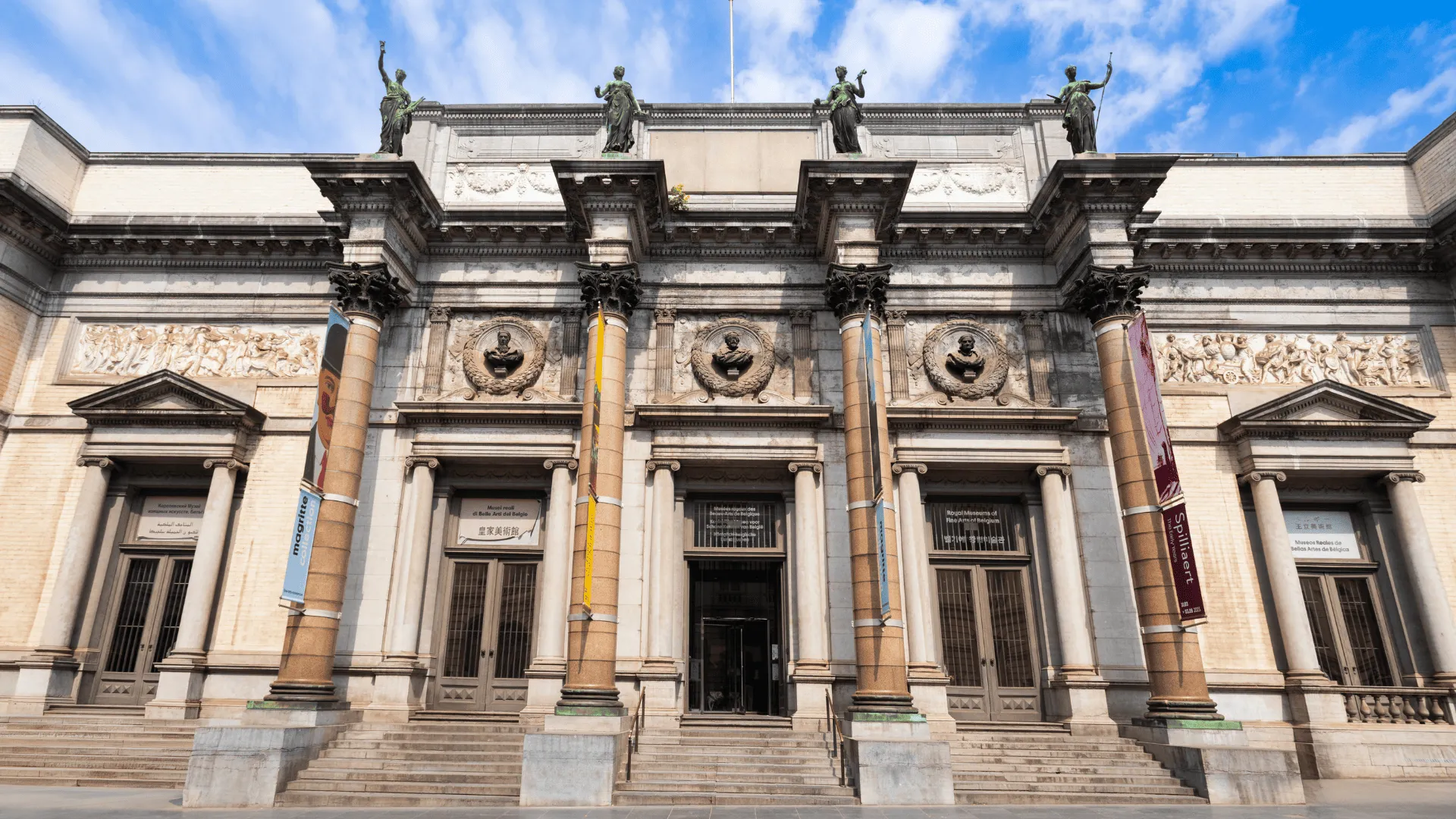
The Royal Museums of Fine Arts on rue de la Régence are home to one of Europe’s most significant collections and it is the Bruegel the Elder room that consistently draws the longest gaze. The Fall of the Rebel Angels and The Census at Bethlehem are among the most important Flemish works in existence. Beyond Bruegel, the collection spans seven centuries of Belgian and international art across the Old Masters Museum, the Museum of Modern Art and the Wiertz Museum.
Allow three to four hours. Come on a Tuesday or Wednesday morning to avoid weekend crowds.
Practical information
- Address: Rue de la Régence 3, 1000 Brussels, 10 minutes on foot from Hotel Alma and Hotel Aris Grand-Place
- Hours: Tuesday to Friday 10:00–17:00, Saturday and Sunday 11:00–18:00. Closed Mondays.
- Price: €10 adults, book online to avoid queues
- Combined with: the Magritte Museum (separate ticket, same building)
The Magritte Museum: surrealism in its home city
René Magritte was born in Lessines, worked in Brussels, and died in Brussels. The Magritte Museum located within the Royal Museums complex holds over 200 of his works: paintings, drawings, sculptures, advertising posters, photographs and films. It is the world’s largest collection of his output, and it traces his full career from early commercial work to the canonical images known worldwide.
The bowler hat. The pipe. The green apple. The man falling. Seeing the originals their scale, their texture, the particular quality of Magritte’s painted surfaces, is a different experience entirely from reproductions.
Practical information
- Address: Same complex as the Royal Museums, Rue de la Régence 3
- Hours: Monday to Friday 10:00–17:00, weekends 10:00–18:00
- Price: €13 adults · €11 groups (15+) · €6 children 6–11 · Free under 5
- Suggested visit: 60 to 75 minutes
The Musical Instruments Museum: architecture as much as music
The MIM is among the most unusual museum experiences in Europe: 8,000 instruments from around the world, with wireless headphones that play each instrument as you approach it. The technology is simple and the effect is remarkable, a violin plays when you stand in front of a violin, a sitar when you stand in front of a sitar, a Congolese drum when you reach that gallery.
The building is as significant as the collection: a former department store by architect Paul Saintenoy, completed in 1899, it is one of Brussels’ finest examples of Art Nouveau ironwork and glass. The rooftop café alone is worth a visit for the view over the city.
Practical information
- Address: Rue Montagne de la Cour 2, 1000 Brussels, 12 minutes from the hotel
- Hours: Tuesday to Sunday from 9:30. Last access at 16:30. Closed Mondays.
- Price: €15 adults · Free for children under 18
- Suggested visit: 90 minutes to 2 hours
The Comic Art Museum: a Belgian institution
Belgium invented the modern comic strip as an art form. Tintin, the Smurfs, Lucky Luke, Spirou, these characters did not emerge from anywhere; they emerged from Brussels. The Comic Art Museum on rue des Sables documents this history across permanent and temporary exhibitions, with a permanent 3D Smurf village that is more impressive than it sounds.
The building Victor Horta’s former Waucquez department store, completed in 1906, is itself on the Art Nouveau pass circuit. The combination of content and setting makes this one of the museums in brussels most worth visiting with or without children.
Practical information
- Address: Rue des Sables 20, 1000 Brussels, 12 minutes from the hotel
- Hours: Tuesday to Sunday. Closed Mondays.
- Price: €14 adults
- Suggested visit: 90 minutes
Plan your museums in Brussels visits: the Brussels Museums pass
Brussels Museums the official platform covering all 125+ museums in the city, publishes an annual guide, updated for 2026, with current exhibitions, nocturnal events (Nocturnes 2026) and the Art Nouveau Pass for visitors interested in the city’s architectural heritage.
For guests planning a stay built around Brussels’ cultural offer, our 2-day itinerary suggests how to combine the best museums with the rest of the city and members of Club Arbany Hotels who book direct benefit from exclusive rates that leave more of the budget for museum tickets.
The most romantic places in Brussels are not the ones that announce themselves. They are the ones you find by walking slowly: a covered arcade that smells of pralines at 9am, a medieval square that transforms into theatre after dark, a canal nobody told you about. Brussels is a city of small discoveries, and for couples, that quality is precisely what makes it worth choosing over the more obvious European destinations.
In winter, the Brussels romantic places that matter most come into their own. The crowds that dilute July’s Grand-Place have entirely disappeared. The light is lower and more dramatic. The chocolatiers produce their finest seasonal collections. And the city, stripped of its summer scaffolding, reveals the architecture and atmosphere that make it genuinely special.
Romantic things to do in Brussels: the places that make the difference
The Grand-Place at night
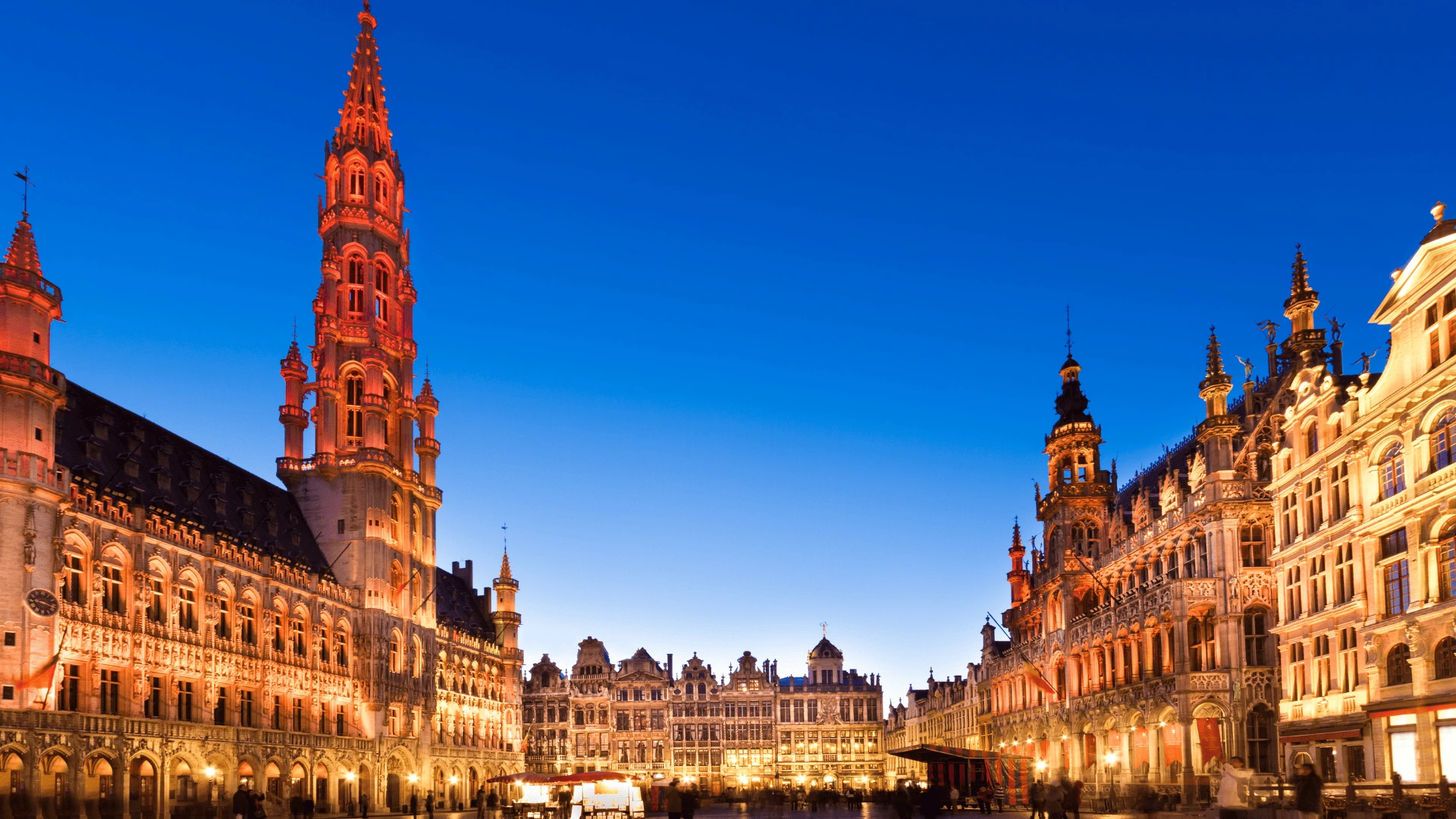
The Grand-Place is one of Europe’s most beautiful squares in daylight. At night, particularly in November and December when the Winter Wonders sound and light show projects animated sequences onto the 17th-century guild house facades, it becomes something else entirely. The show runs nightly from 5pm to 10pm, free of charge, and lasts approximately six minutes. On a cold evening, standing in the centre of the square as the music begins and the facades come to life, the effect is genuinely difficult to photograph in a way that does it justice. Go once before dinner and once after, the experience changes completely depending on the crowd.
The Galeries Royales Saint-Hubert
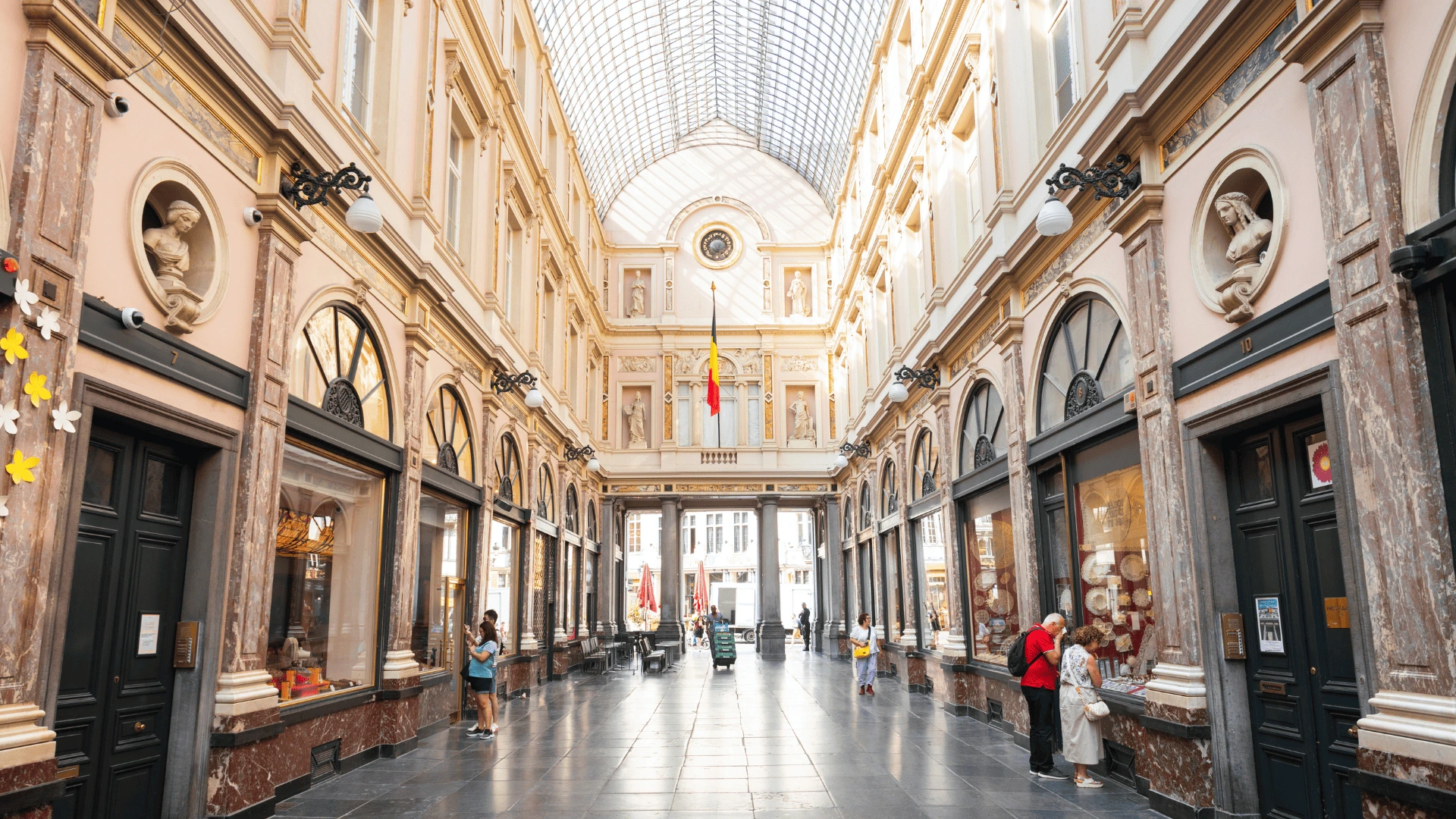
Built in 1847 and predating Milan’s Galleria Vittorio Emanuele II by twenty years, the Galeries Royales Saint-Hubert are among the most beautiful romantic things to do in Brussels for a couple who value architecture and slow mornings. One minute from Aris Grand-Place hotel, the covered arcade houses Neuhaus (inventor of the Belgian praline in 1912), independent jewellers and cafés with tables directly on the arcade promenade. On a winter morning, when the heat from the shops rises into the glass vault and the city is still waking up outside, it is one of the most pleasant places in Europe to simply be.
Mont des Arts, the view that stays with you
The Mont des Arts terrace, ten minutes from both hotels, offers one of the finest views of the Brussels skyline: the Town Hall spire to the north, the Royal Palace to the south, the Magritte Museum below. At dusk in winter, when the city is lit and the sky above the roofline is still faintly orange, it is one of the most consistently beautiful moments Brussels offers couples. No ticket required. No crowd. Just the view.
The Magritte Museum
The Magritte Museum at rue de la Régence 3 holds over 200 works by Belgium’s most internationally recognised artist. The paintings stranger, funnier and more technically accomplished in person than any reproduction suggests generate more genuine conversation per square metre than most European galleries. For a couple spending an afternoon in a museum, this is the one. Book online; closed Mondays.
Brussels honeymoon: a city that rewards the unhurried
Brussels is not the first city that comes to mind for a honeymoon in Brussels, and that is precisely why it works. There are no tourist convoys. No queues that last an hour. No sense that you are doing what everyone else is doing. The city is compact enough to walk entirely, varied enough to fill several days without repetition, and refined enough in its chocolate, its architecture, its cuisine to feel genuinely special.
The Sablon: Brussels’ most intimate romantic district
The Place du Grand Sablon is where Brussels puts its most intimate face forward. On Saturday and Sunday mornings (9:00–18:00), the antiques market occupies the cobblestones in front of the Notre-Dame du Sablon church, dealers offering silverware, jewellery, paintings and rare books while the city moves at the pace of a conversation rather than a commute. Wittamer at number 6 has been on the square since 1910: the hot chocolate served upstairs in the café is, on a cold December morning, one of the best things you will consume in Brussels. The full story of the Sablon’s recent transformation, new luxury boutiques alongside the historic institutions is in our dedicated guide.
A canal morning with Rivertours
Rivertours offers year-round boat tours from Boulevard d’Ypres 84, giving a perspective of Brussels that most visitors never discover: the Tour & Taxis complex, the working port, the Art Nouveau warehouses along the water. A morning on the canal before the city fully wakes, particularly in the low winter light, is the kind of shared experience that stays with you. Less expected than a museum, more memorable than a restaurant.
Dinner on the Sablon or in the city centre
For a honeymoon dinner, Comme Chez Soi at Place Rouppe 23, Michelin-starred, Art Nouveau interior by Victor Horta, fewer than 50 covers is the most prestigious table in Brussels for a special occasion. Book two months in advance for weekend evenings. For something equally considered but less formal, Au Vieux Saint Martin at Place du Grand Sablon 38 holds a Michelin Plate and offers a heated terrace in December, the square as a backdrop, the church lit behind you, the evening unhurried. As we covered in our winter restaurant guide, both deserve advance booking.
Where to stay: the Brussels romantic break at Alma Grand-Place hotel
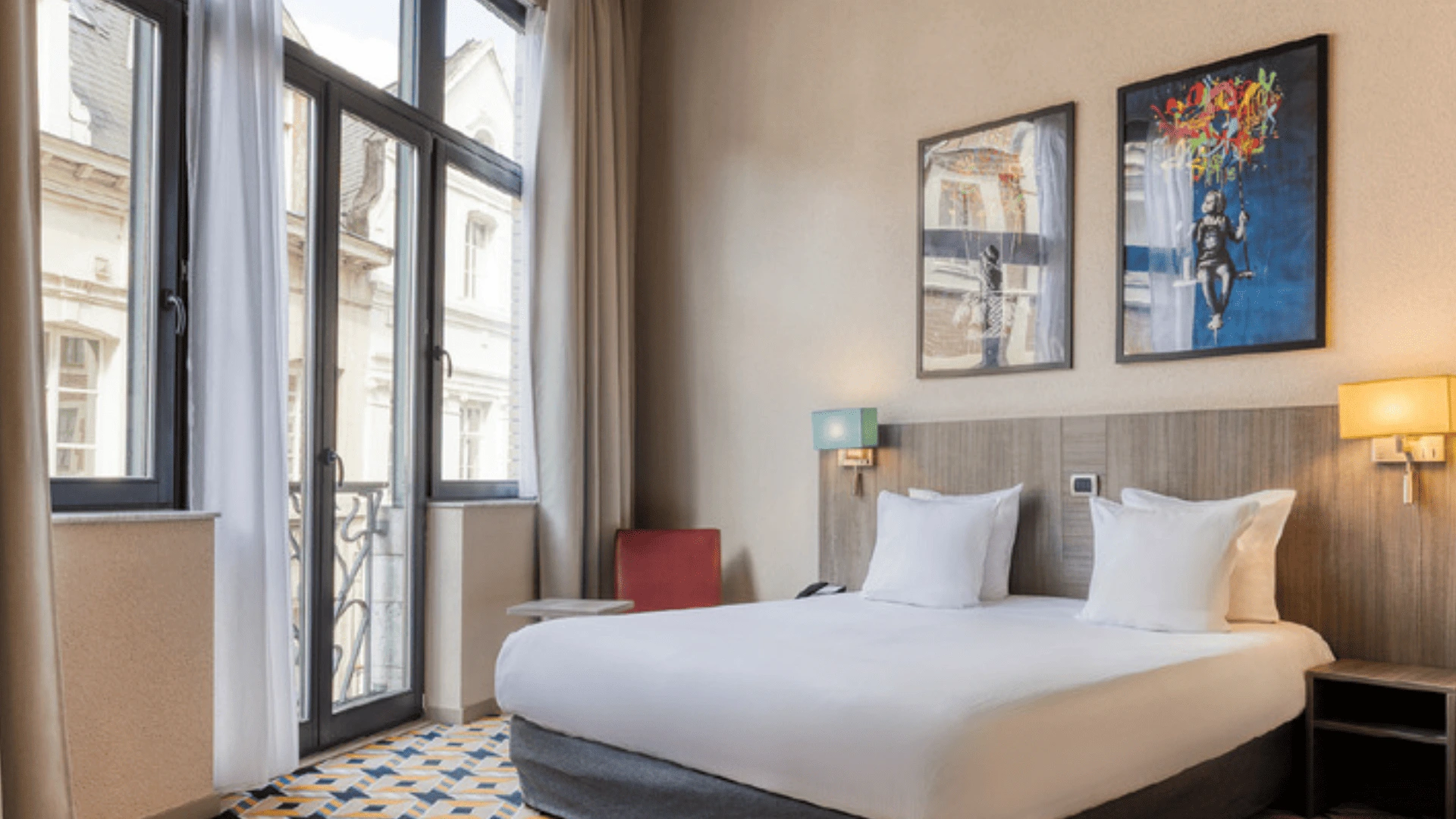
The Brussels Romantic Gourmet Break at Alma Grand-Place hotel is our package designed specifically for couples: the Premium King Room, combined with Belgian chocolates, a bottle of wine and a 10% Club Arbany Hotels discount.
In our view, Brussels in October is at its most authentic. The summer crowds have thinned out. The light takes on golden hues over the Grand-Place. The outdoor cafes are still warm enough to enjoy a long afternoon coffee, and the cultural calendar is filling up again with the confidence of a city that knows what it does best. October in Brussels isn’t a consolation prize for those who missed the summer: it’s a season worth visiting in its own right, with unique pleasures that July simply can’t offer.
From these two hotels, located a two-minute walk from the Grand-Place, everything listed below is accessible without a car, without the metro, and often without the tram. This proximity is the starting point for everything.
What to do in Brussels in autumn: museums, culture and the city’s finest interiors
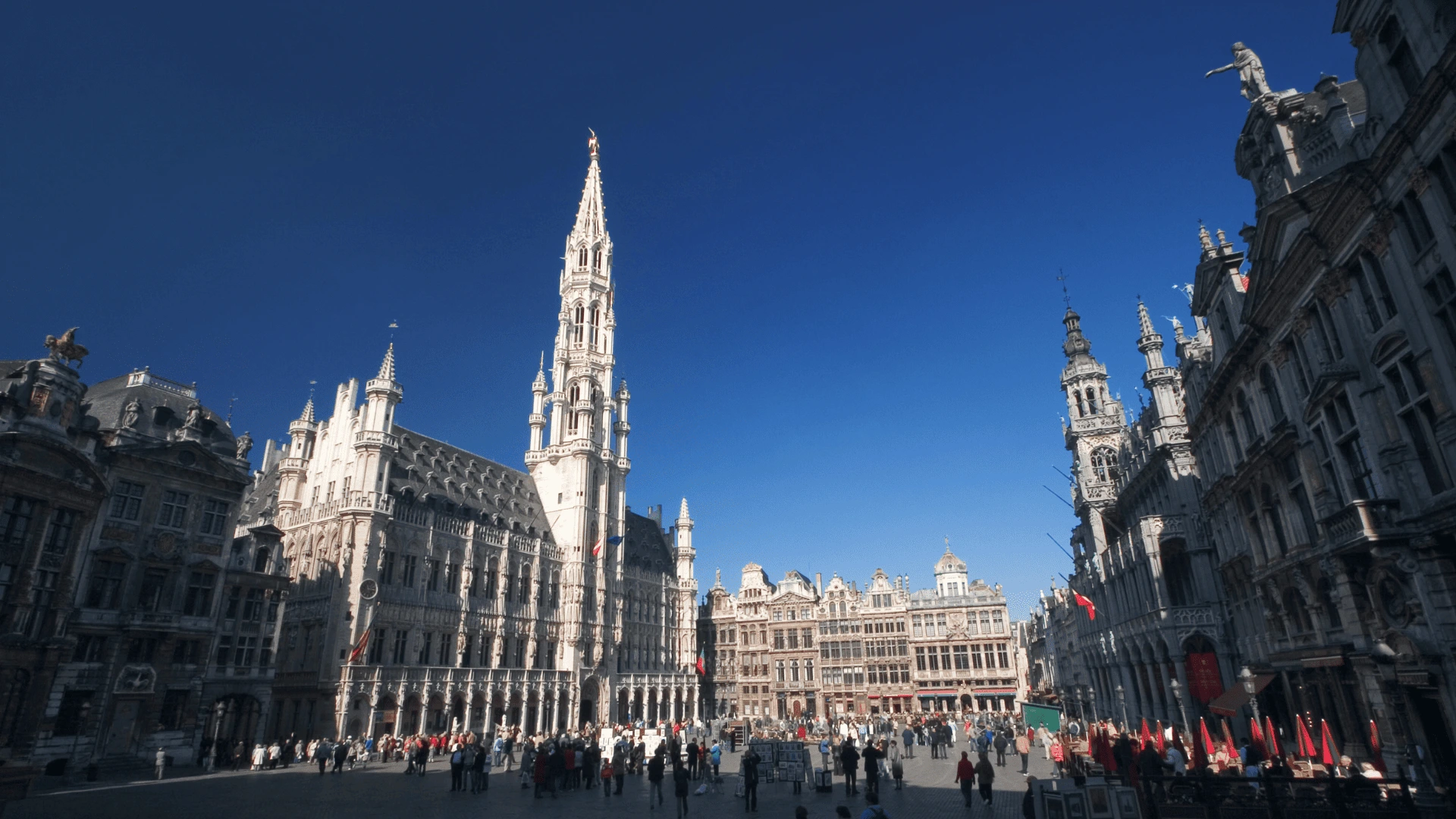
Autumn is when Brussels’ museum offer makes the most sense. When it rains and in October in Brussels, it will the city’s exceptional concentration of collections becomes a genuine resource rather than a rainy-day fallback.
The Royal Museums of Fine Arts of Belgium on rue de la Régence a 10-minute walk from both hotels, span seven centuries of Belgian and international art. The world’s largest collection of works by Pieter Bruegel the Elder is here, alongside the Magritte Museum within the same complex: over 200 works by the Belgian surrealist, in a building whose Art Nouveau architecture is itself worth the visit. Allow a full day for both.
The Musical Instruments Museum (MIM) on rue Montagne de la Cour is one of Europe’s most genuinely unusual museum experiences: 8,000 instruments from around the world, with wireless headphones that play each one as you approach it. The building a Paul Saintenoy Art Nouveau department store completed in 1899, houses a rooftop café with views over the city that are particularly dramatic on an October afternoon with low cloud over the spires.
Museum Night Fever, usually held in mid-October, opens Brussels’ museums late into the night with concerts, workshops and candlelit guided tours. It is one of those events that regular Brussels visitors return for every year. Programme and tickets at visit.brussels.
For families or guests who want something further afield, the Atomium Brussels’ most eccentric landmark, built for the 1958 World’s Fair, is best visited on a grey October afternoon when queues are shorter and the views over the misty city from the top sphere are genuinely memorable. Mini-Europe next door is worth an hour if you are travelling with children.
Brussels in November: the city before the festive season begins
Brussels in November has a quality that is easy to overlook. The month sits between October’s cultural intensity and December’s Christmas market spectacle and it is, for that reason, one of the most pleasant times to visit without a specific agenda.
The city’s traditional beer cafés come into their own. À la Mort Subite on rue Montagne aux Herbes Potagères, Brussels’ reference address for lambic and gueuze, unchanged since 1928 is at its best when it is cold outside and warm within. Bier Circus on rue de l’Enseignement offers a more guided introduction to the Belgian beer landscape, with tasting notes and food pairing suggestions.
Late November marks the opening of Winter Wonders, Brussels’ official Christmas market, running from 27 November 2026 across nine squares connected by a 2.5-kilometre trail of lights. The first week is consistently the most atmospheric: the installations are fresh, the chalets are fully stocked, and the Grand-Place sound and light show draws its opening-week crowds.
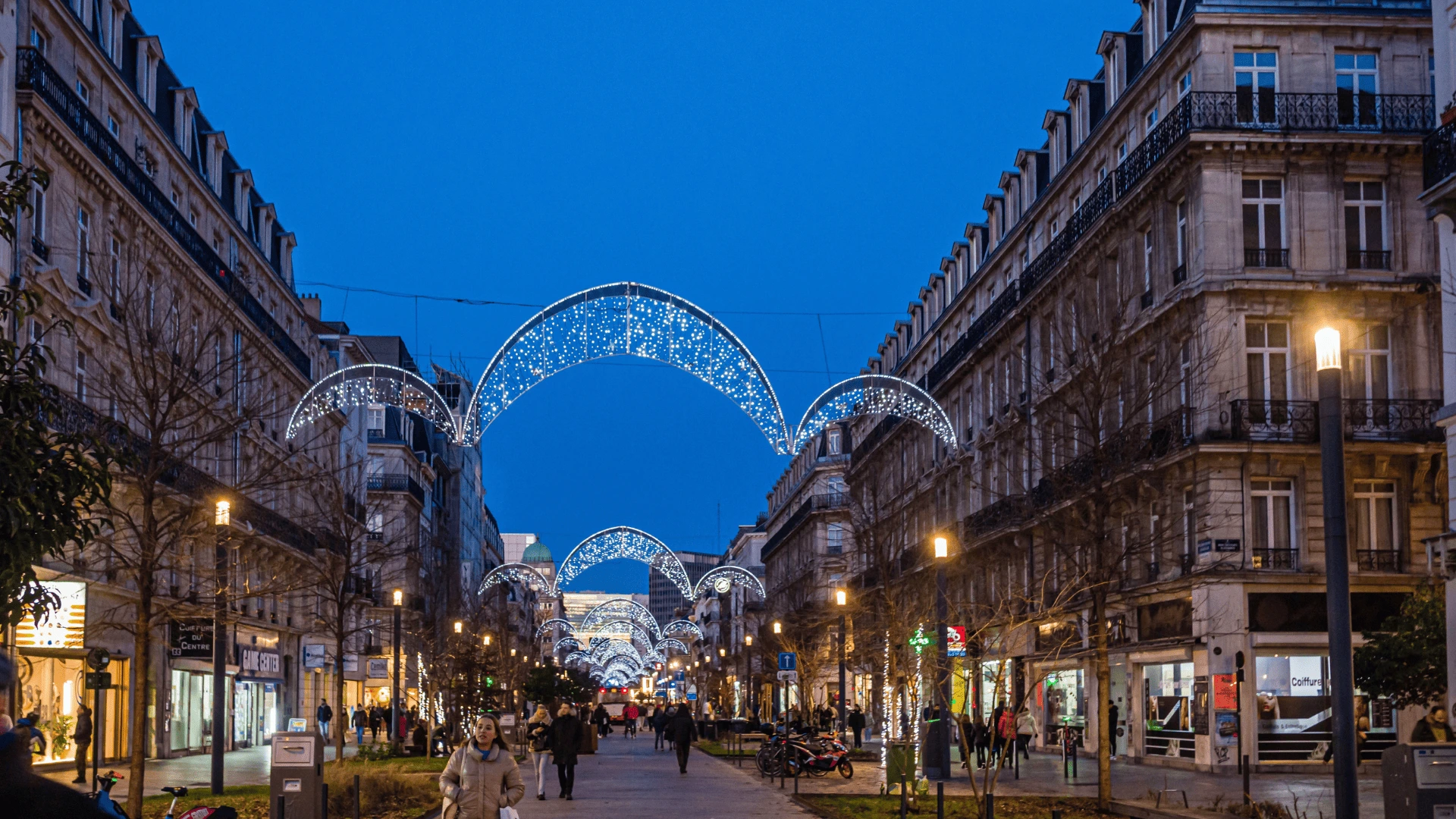
Temperatures in November range from 4°C to 11°C. Pack layers and a compact umbrella. Public transport: a single STIB journey costs €2.40, capped at €8.40 per day with contactless payment.
Autumn walks in Brussels, three routes worth your time
Brussels in autumn rewards slow walking. Three routes we recommend to guests staying near the Grand-Place:
The Sablon loop: walk south from the hotel to the Place du Grand Sablon (10 minutes), browse the antiques market on Saturday mornings (9:00–18:00), have a coffee at Wittamer on the square, then continue to the Petit Sablon garden and up to the Place Royale for the view over the lower city. Return via the Galeries Royales Saint-Hubert, one minute from Hotel Aris Grand-Place. The whole loop takes 90 minutes at a gentle pace. The full story of the Sablon’s recent transformation is in our dedicated guide.
The Art Nouveau route: Brussels has more Art Nouveau buildings per square kilometre than any other city in the world. The BANAD festival opens usually-closed interiors in spring, but the facades are there year-round. Rue Defacqz, rue Faider and rue Paul Emile Janson in Saint-Gilles are the streets worth walking. The Horta Museum at rue Américaine 25 is the essential stop, the former home and studio of Victor Horta, the architect who defined the movement. Book ahead, visitor numbers are strictly limited.
The parks circuit: Parc de Bruxelles (10 minutes from both hotels) and Parc du Petit Sablon are both at their most beautiful in October when the leaves turn and the morning light comes low through the trees. Bring a book. Bring a coat.
Our guide to the best museums in Brussels covers opening times, prices and honest advice on how long to spend in each. For questions about breakfast, parking and late check-out everything practical for an autumn stay, our FAQs page has the full picture.
Brussels New Year’s Eve is built around one of the most spectacular free fireworks displays in Europe: the official show at the Atomium, where laser projections, flame effects, pyrotechnics and 3D mapping of the iconic nine-sphere structure combine into a midnight spectacle that drew nearly 50,000 spectators last year. It is free. It is outdoors. It starts at 9pm and finishes well past midnight. And it is, by any measure, the right way to see Brussels on New Year’s Eve.
This guide covers the official celebrations, where to eat before midnight, how to get around the city on the night, and what the Grand-Place area looks like at 12:01 on 1 January 2027.
New Year Brussels 2027: the official fireworks at the Atomium
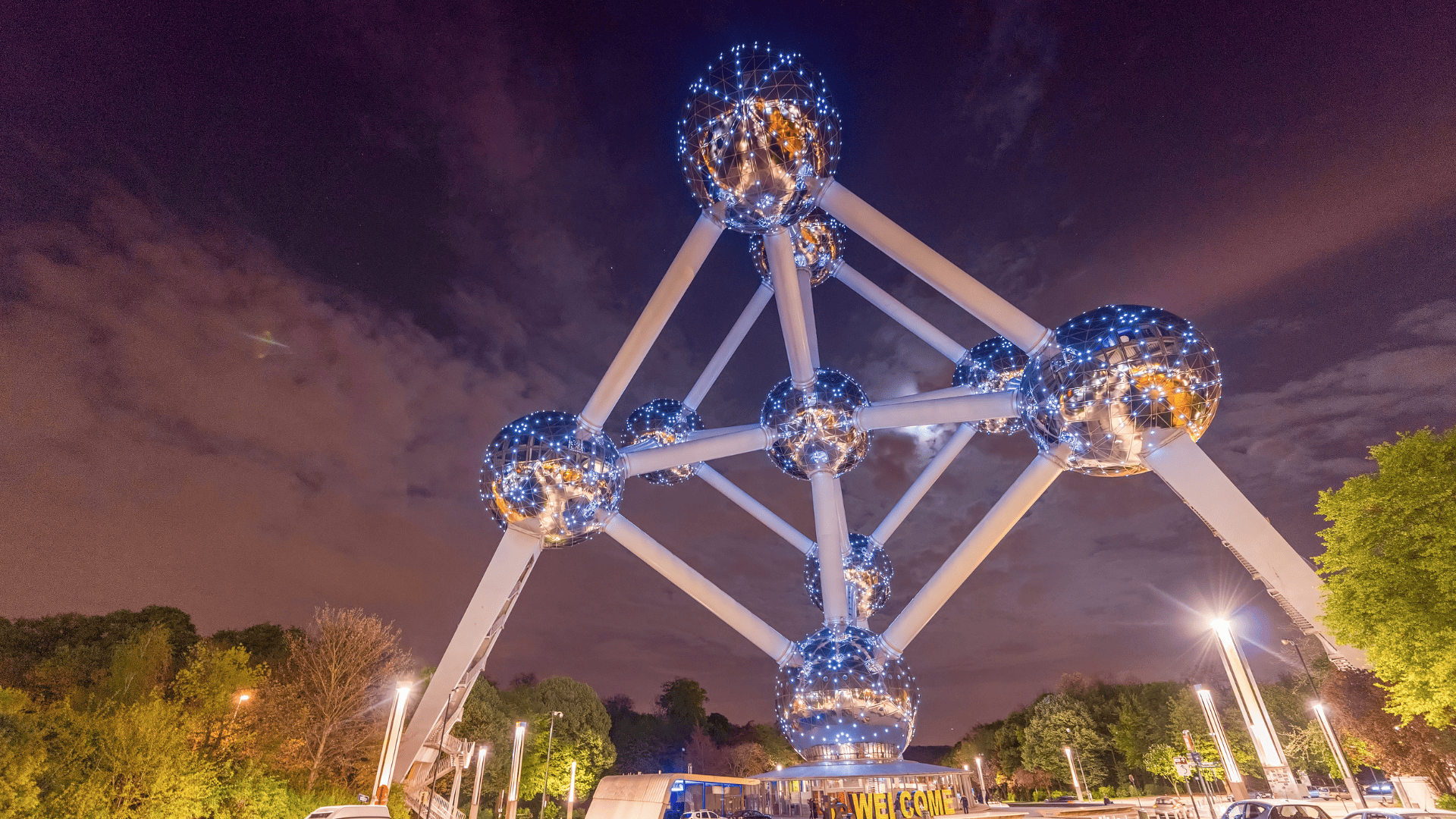
The centrepiece of Brussels New Year’s Eve 2026 is the official show at the Atomium esplanade, Place de l’Atomium, 1020 Brussels (Laeken). Organised by Brussels Major Events and free of charge, the evening unfolds in three acts:
From 9pm: DJ sets warm the crowd on the esplanade. Food trucks, mulled wine and the glow of the Atomium above the crowd. Arrive early, the esplanade fills up.
From approximately 11:30pm: “Fusion”, the official Brussels New Year’s production, begins combining laser projections, flame effects from ground and elevated platforms, and 3D mapping of the Atomium’s steel spheres. The production is designed specifically for this site and changes from year to year.
At midnight: fireworks launched simultaneously from multiple platforms, synchronised to an original electro-pop composition. The display is visible from several kilometres across the city.
Getting there: Take metro line 6 to Heysel or tram 7 to Atomium. The entire STIB network metro, tram and most bus lines, is free from midnight until the start of regular service on 1 January. Night buses and tram 81 run from midnight to 5:30am. Do not drive: the Heysel district is completely closed to traffic from early evening.
What to bring: Dress warmly. Glass bottles are banned on the site. Bag searches are carried out at the entrance. Private fireworks are prohibited throughout the Brussels-Capital Region.
More information on timing and programme at plaisirsdhiver.be.
What to do in Brussels on New Year’s Eve
Not everyone wants to stand in a crowd of 50,000 people in January temperatures. Brussels offers several alternatives that are worth knowing.
The Grand-Place at midnight
There are no official fireworks in the Brussels city centre, but the Grand-Place on New Year’s Eve has its own quality. The sound and light show does not run on 31 December (Winter Wonders closes at 6pm), but the square remains illuminated and increasingly crowded as midnight approaches. Champagne glasses appear from coat pockets. Strangers exchange bonne année. The guild house facades, lit against a dark January sky, are extraordinarily beautiful at this hour.
For guests staying at Alma Grand-Place hotel or Aris Grand-Place hotel, the Grand-Place is two minutes on foot. Walking there for midnight and returning on foot twenty minutes later without transport, queues or crowds is the city centre alternative to the Atomium that many guests choose.
Place de Brouckère
In recent years, a giant countdown clock has been projected onto the façade of the Brouckère building, drawing a crowd for the final minutes before midnight. Less spectacular than the Atomium but considerably more central and easier to reach on foot from the hotels.
FCKNYE Festival
Belgium’s largest New Year’s Eve festival runs at Tour & Taxis, with over 50 artists across four stages. The programme typically mixes electronic music, hip-hop and live performances. Tickets sell out weeks in advance. Check fcknye.be for the 2026 programme and lineup.
Where to eat on Brussels New Year’s Eve?
New Year’s Eve restaurant reservations in Brussels close faster than any other date in the calendar. The addresses worth booking first:
Comme Chez Soi at Place Rouppe 23 offers a special New Year’s Eve menu, Michelin-starred, Art Nouveau interior, the most prestigious table in Brussels for the occasion. Book two months in advance.
Au Vieux Saint Martin at Place du Grand Sablon 38 Michelin Plate 2024 and 2025, offers a festive New Year’s menu with the option of watching midnight from the square afterwards. Book at least three weeks ahead.
For a more convivial, less formal evening, Bouillon Bruxelles on rue des Dominicains, five minutes from the hotels, takes reservations for New Year’s Eve and offers its full Belgian menu. The atmosphere on the night is reliably warm.
Several Brussels hotels and venues offer gala dinner packages the Music Village jazz club consistently delivers a well-regarded dining and live music combination. Check their programme directly.
Staying in Brussels for New Year’s Eve
Availability at well-located hotels for 31 December fills up from early December. Both Alma hotel and Aris Grand-Place place hotel you in the centre of the city’s New Year’s Eve geography, two minutes from the Grand-Place, five minutes from Central Station and its connections to the Atomium tram line.
Our Alma Grand-Place and Aris Grand-Place offers include packages available exclusively when booking direct, no intermediary fees, best rate guaranteed, and free Club Arbany Hotels membership from your first night. For questions about check-in times, luggage storage and late check-out on New Year’s Day, our FAQs page has everything you need.
For the full picture of what Brussels has to offer in December beyond New Year’s Eve, our December city guide covers the month from Winter Wonders to the final days of the year.
When most visitors think of Christmas in Brussels, they think of the Grand-Place: the sound and light show, the 200-plus chalets, the mulled wine and the crowds. All of it is worth experiencing, as we covered in our complete Christmas market guide. But there is another Brussels Christmas that runs alongside Winter Wonders, quieter, more intimate and arguably more interesting: the Grand Sablon in December.
Ten minutes on foot from Alma Grand-Place hotel, the Place du Grand Sablon in winter is the address where Brussels’ residents prefer to spend their Saturday mornings in December, and where the city’s festive season reveals a side that the tourist brochures rarely describe.
Sablon Brussels winter: the antiques market in December
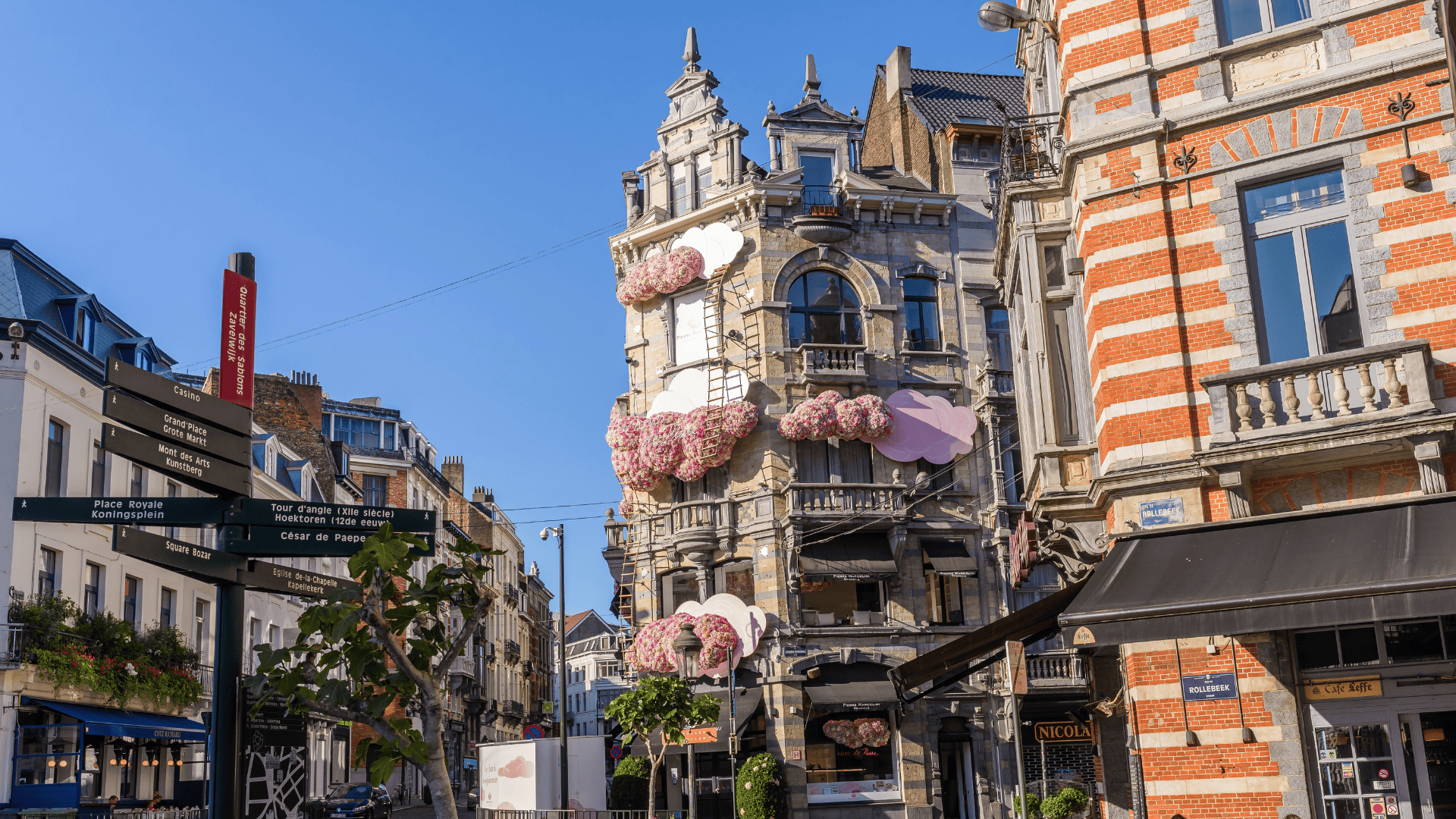
The Sablon Antiques Market has been running on the Place du Grand Sablon every Saturday and Sunday since 3 April 1960, when a single antique dealer named Georges Van de Weghe received permission from the priest of Notre-Dame du Sablon to display his engravings after mass. Gradually, others joined him, and what began as an informal arrangement has become one of the oldest and most respected antiques markets in Belgium.
In December, the market runs against the backdrop of the Notre-Dame du Sablon church — a 15th-century Brabantine Gothic masterpiece whose flamboyant facade is lit at night throughout the festive season. The dealers set up their stalls on the cobblestones from 9am on Saturdays and Sundays, displaying silverware, jewellery, ceramics, paintings, Chinese porcelain, African art, watches and books. The cold concentrates the atmosphere: dealers wear heavy coats and offer advice in three languages; collectors arrive early with purpose; and occasional visitors wander between stalls with the unhurried pleasure of people who have nowhere else to be.
The market closes at 6pm. Getting there: tram 92 or 93 from the city centre (stop: Kleine Zavel), or ten minutes on foot from the hotels via rue de la Régence.
Antiques market Sablon December: what to find and what to buy
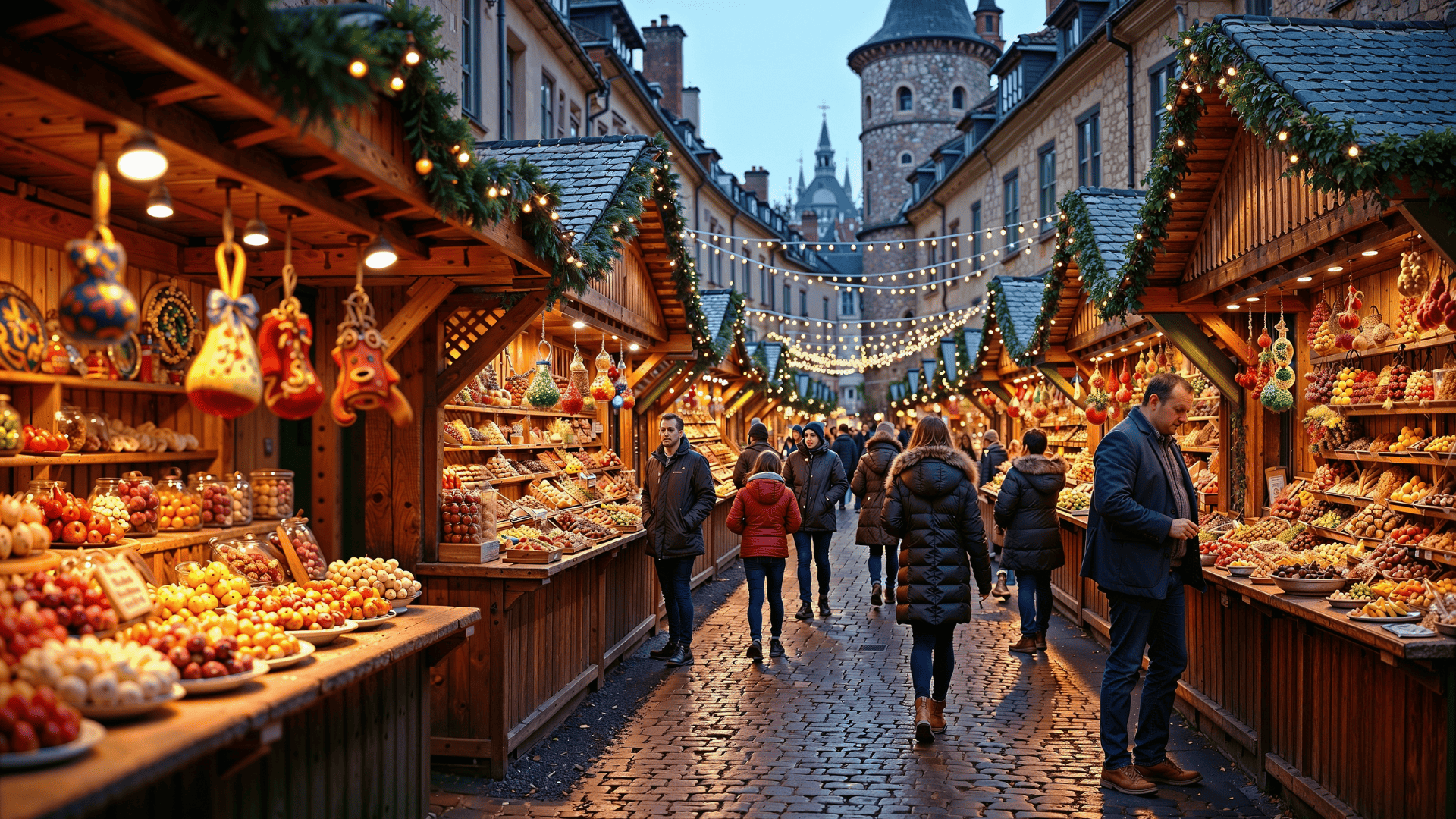
December is one of the best months to visit the Sablon market because the dealers arrive with their finest seasonal pieces: ornate candlesticks, vintage silverware, Art Deco jewellery, decorative objects that read as gifts. The selection is genuinely eclectic, a Flemish oil painting beside a Japanese lacquer box beside a set of 1930s cocktail glasses, and the dealers, most of whom have occupied the same pitch for years, are unfailingly knowledgeable and willing to discuss the provenance of anything on display.
What tends to appear specifically in December: Christmas-related antiques (vintage advent calendars, early 20th-century decorations, Belgian Art Nouveau ornaments), gift-quality silverware and porcelain, and the particular category of small decorative objects that make presents no one else will have given.
The market is free to enter. Prices range from a few euros to several thousand. Negotiation is accepted, expected and conducted with mutual courtesy.
The chocolate and festive tables of the Sablon in winter
No visit to the Sablon in December is complete without stopping at Wittamer at Place du Grand Sablon 6 and 12. The Official Supplier to the Court of Belgium since 1910 produces its most elaborate seasonal collections in November and December: praline boxes in Christmas packaging, bûches de Noël crafted with the precision the house applies to its year-round work, and the hot chocolate served in the upstairs café which, on a December morning after an hour at the antiques market, is one of the best things you will consume in Brussels.
Pierre Marcolini at rue des Minimes 1, steps from the square, releases its winter seasonal collection in late November. The single-origin chocolates in Christmas packaging make the most considered edible gift you can bring back from Brussels. As we described in our chocolate guide, the Sablon concentrates more serious chocolate per square metre than any other district in the city.
The new boutiques: the Sablon’s second reason to visit
The Sablon in December 2026 is not only the antiques market and the chocolatiers, it is also the neighbourhood in the middle of its most significant transformation in decades. The new boutiques that have arrived over the past eighteen months AMI Paris at number 5, Breitling at number 8, Christian Louboutin at number 21, are lit from within in December, their windows dressed for the season. Yvan’s, the Brussels jewellery house, operates from its new Sablon location alongside its historic address in the Galeries Saint-Hubert.
The combination of 16th-century church, 60-year-old antiques market, century-old chocolate institutions and brand-new luxury boutiques is unique to this square. It is why the Sablon in December is more interesting than a single category of destination, and why it rewards more than one visit during a stay of several days.
For dinner after an afternoon on the square, Au Vieux Saint Martin at number 38 remains our standing recommendation: Michelin Plate 2024 and 2025, heated terrace in December, open seven days a week. Book for weekends. The full context of the Sablon’s transformation, the Immobel project, the new arrivals, the city’s ambitions for the square is in our dedicated Sablon guide.
Getting to the Sablon from the hotel
From Alma Grand-Place hotel and Aris Grand-Place hotel, the Place du Grand Sablon is a ten-minute walk south through the historic city centre, via the Mont des Arts terrace and rue de la Régence, or through the Petit Sablon garden. Both routes are pleasant on a December morning, particularly if the market is your destination and you have time to stop along the way.
The walk back in the evening, when the church and the boutiques are lit and the square is quiet, is the version of Brussels that most visitors miss entirely, and the one that stays with you longest.
